
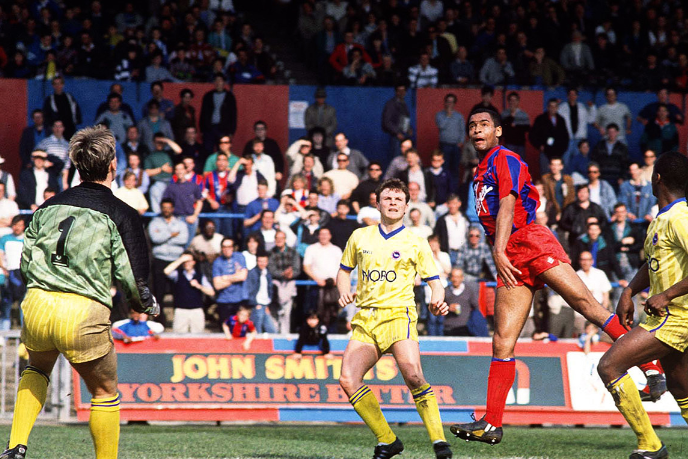
Brighton vs Palace: 5 Shocking Untold Facts & M23 Derby History
In English football, derbies generally consist of teams that play close to each other, cities separated by a river or teams within a few miles of each other. However, the vicious rivalry between Brighton vs Palace (Brighton & Hove Albion vs Crystal Palace) defies every normal criteria of a derby. The two teams are located 40 miles away from each other on M23 Motorway, making this derby—also known as M23 Derby or El Gatwicko—one of the most hostile and exciting in the Premier League. In matches pitting Brighton against Palace, league rankings and form go out the window. Here is a full guide to the history behind this unique rivalry, head-to-head statistics, classic matches, and the 5 shocking untold facts that make these two teams hate each other. Brighton vs Palace Brighton vs Palace Brighton vs Palace Brighton vs Palace
How the Rivalry Was Created: The Tale of a 40-Mile Difference
The rivalry between Brighton and Crystal Palace is different from other rivalries in England because it stems from competition instead of geographical proximity. In the 1970s, both teams were trying to make their way up the divisions in English football. At the time, the two clubs had two talented young managers: Alan Mullery at Brighton and Terry Venables at Crystal Palace.
Former teammates at Tottenham Hotspur, Mullery and Venables had a lot of personal rivalry on the sideline. Tensions flared up in 1976/77 season, as the two teams played each other five times during the season in league and FA Cup competitions. An FA Cup replay at Stamford Bridge, with retaken penalties and a notorious clash between Mullery and Crystal Palace fans, led to a rivalry that would last a lifetime.
5 Stunning Facts You Never Knew About Brighton vs Palace
The Incident With the Thrown Coffee That Started the Hate.
1. After Palace won the infamous 1976 FA Cup replay 1-0, Brighton manager Alan Mullery was doused in hot coffee by Palace supporters after he walked off the pitch. Furious, Mullery threw coins on the floor and yelled a furious insult at the Palace supporters, thus starting years of enmity.
2. “Seagulls” As An Insult To Crystal PalaceBefore the mid-1970s, the nickname of Brighton was “The Dolphins”. When there was an exciting game at the Goldstone Ground and Crystal Palace supporters were chanting “Eagles, Eagles!”, the Brighton fans started to chant “Seagulls, Seagulls!”. And since then the nickname stuck, with Brighton adopting the seagull as its club mascot.
3. Wilfried Zaha’s Play-off Destruction (2013)Wilfried Zaha played a wonderful game when Crystal Palace visited the Amex Stadium in the play-offs semi-final after the 0-0 first leg. Zaha scored two wonderful goals in the second half that secured the victory for Palace and sent Brighton into oblivion.
Fan Culture & Matchday Atmosphere at Amex and Selhurst Park
The hostility surrounding the Brighton vs Palace fixture is much more than just the tactics and the matches themselves. There are special match day traditions that both sets of fans have developed and which increase the heat when the clubs face each other in South London or Sussex.
Characteristics of the Rivalry Between Supporters of M23 Derby Clubs: Holmesdale Fanatics of Selhurst Park: Crystal Palace fans are known for bringing the European concept of ultras to the English football and for making continuous noise, show, and chanting in order to scare away their opponents.
The Amex Wall of Sound: The new home of Brighton becomes the arena of the noisy competition between the two sets of fans, who answer the insulting chanting of Palace fans with their famous seagulls chanting.
Security Issues on Match Days: Because of the strong animosity between supporters on the transport routes from one stadium to another, there are large-scale police operations carried out around train stations such as Norwood Junction or Falmer.
Conclusion
Brighton vs Palace rivalry is certainly one of the most interesting stories in the history of English football. What makes this rivalry special is that unlike the majority of other traditional rivalries which emerge due to proximity of the locations of the two clubs, the rivalry of Seagulls and Eagles developed because of ambition, great managers who led these teams, controversial refereeing decisions, and of course passionate fan culture throughout many years.
For supporters of Brighton & Hove Albion, a victory over their rivals is the confirmation of success and uniqueness of the club. For Crystal Palace fans, winning the fight against their Sussex opponents is a matter of honour and South London tradition.
Nowadays, when both these clubs manage to make their way into the first division of English football league and prove that they are strong competitors, their encounters always provide for a lot of exciting tactics, unexpected developments, and fan experience of the highest level. Brighton vs Palace Brighton vs Palace Brighton vs Palace Brighton vs Palace Brighton vs Palace Brighton vs Palace Brighton vs Palace